
At What Depth Does a Trench Need Shoring? Understanding Trench Safety in Line with Australian Standards
Trade Advice
Trenches play a vital role in civil and infrastructure projects. Building and maintaining them are also some of the most dangerous worksite activities. They can collapse fast and without warning, trapping workers before they have time to react.
These risks are preventable if you have the right planning, equipment, and trench shoring system in place. This guide will walk you through when trench shoring is needed, the solutions available to you, and your legal requirements. You’ll even learn some common mistakes to avoid. Let’s begin.
What is Trench Shoring?
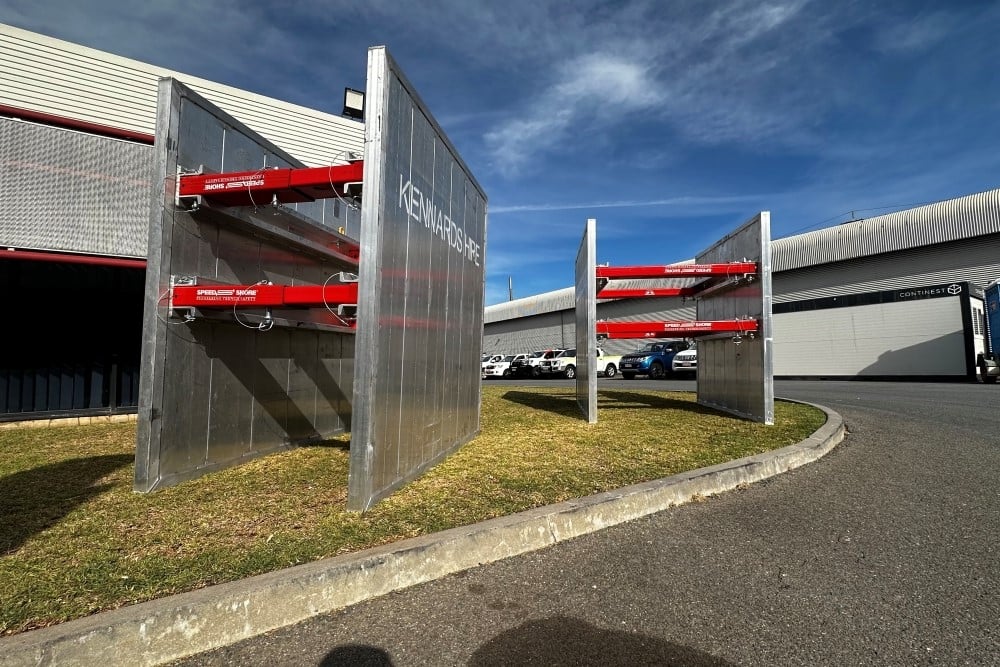
Trench shoring is a structural system designed to support trench walls and prevent them from collapsing. It’s one of several strategies used to keep workers safe during excavations. Shoring and shielding are the most common options on construction sites. The three primary trench safety methods are:
- Shoring: These structures physically support trench walls. Some examples include hydraulic shores, timber systems, and engineered shoring boxes.
- Shielding: These protective structures, like a trench shield or trench box, protect workers during a collapse, rather than prevent it.
- Battering: This option slopes the side of the trench to reduce the risk of collapse. No equipment is physically installed.
Legal Requirements in Australia
Safe Work Australia’s Model WHS Regulations and Code provide clear guidance on trench excavation safety. The rules state that any trench deeper than 1.5 metres must be assessed for collapse risk. If a risk is present, the trench must be shored, shielded, or battered.
Kennards Hire recommends assessing trenches under 1.5 metres as well. Operators should also check for loose soil and signs of water. Nearby heavy equipment also poses a risk to shallow trenches without protective systems.
Also, consider that every collapse carries dangerous risks. Not complying with trench safety laws can lead to loss of life or serious injury, legal penalties, and site shutdowns. It’s your responsibility to assess all trenches for collapse risk regardless of depth.
What Factors Affect Shoring Needs?
Several conditions affect what type of trench shoring system is suitable for your site. These are some of the common factors Kennards Hire recommends considering.
- Soil type and moisture: Surfaces like clay, sand, and gravel behave differently under pressure. Consider how the soil reacts to moisture to determine the risk of collapse.
- Weather conditions: Heavy and prolonged rainfall can destabilise trench walls, especially if drainage is poor.
- Trench depth and length: The deeper and longer your trench, the more structural support it needs to reduce the risk of collapse.
- Duration: The longer the excavation timeframe, the more your trench is exposed to weather effects and vibration impacts. Shoring must be durable for the duration of the project.
- Load and vibration near edges: If you’re working near roads or operating heavy machinery like excavators next to a trench, this increases pressure on trench walls. Shoring becomes a necessity in these scenarios.
- Worker access frequency: As part of your planning, look at how often crew members will enter and exit the trench. You might need more robust protection, especially in deeper and unstable conditions.
If you are unsure of ground conditions, a professional should be consulted.
Common Mistakes to Avoid
Trench collapses are serious and lead to devastating results. That’s why having the right trench shoring system is vital to prevent accidents before they happen. Kennards Hire provides expert advice to on-site personnel for all types of construction projects. These are some common trench safety mistakes that are avoidable:
- Never assume shallow trenches are safe
- Do not ignore warning signs like cracks, bulges, or slumps in trench walls
- Always match your shoring solution to the site conditions
- Train your crew to inspect and install the shoring box correctly
If you’re ever in doubt, contact Kennards Hire for advice on the best trench shoring solutions for your worksite.
How Kennards Hire Can Help
Kennards Hire offers shoring hire in Brisbane, Sydney, Melbourne, and other capital cities and regional areas. Kennards Hire has solutions for everything from shallow service trenches to stormwater pipe excavation. Our team not only delivers the trenching and shoring systems to your worksite but we can also assemble boxes prior to delivery. Speak to one of our team members today to discuss suitable shoring options for your project.
Trench Shoring Solutions You Can Trust
If you’re working in or near a trench deeper than 1.5 metres, you must take action. The consequences of doing nothing are severe and too serious to ignore. It’s imperative you understand your obligations, select the right shoring method, and partner with an expert who knows what’s appropriate and effective. The right solution will help get your crew home safely at the end of every shift.
This responsibility doesn’t solely rest on your shoulders. Kennards Hire is here to support all your construction needs and offer expert advice on reliable trench shoring solutions. We deliver direct to your site, assemble the shoring, and educate your staff on the equipment. Get in touch with your Kennards Hire specialist today for shoring hire in Sydney, Melbourne, Brisbane, and throughout Australia. Leave it to the experts to keep your site and your staff safe.