
Minimising Disruption: Construction and Maintenance in Live Hospital Environments
Trade Advice
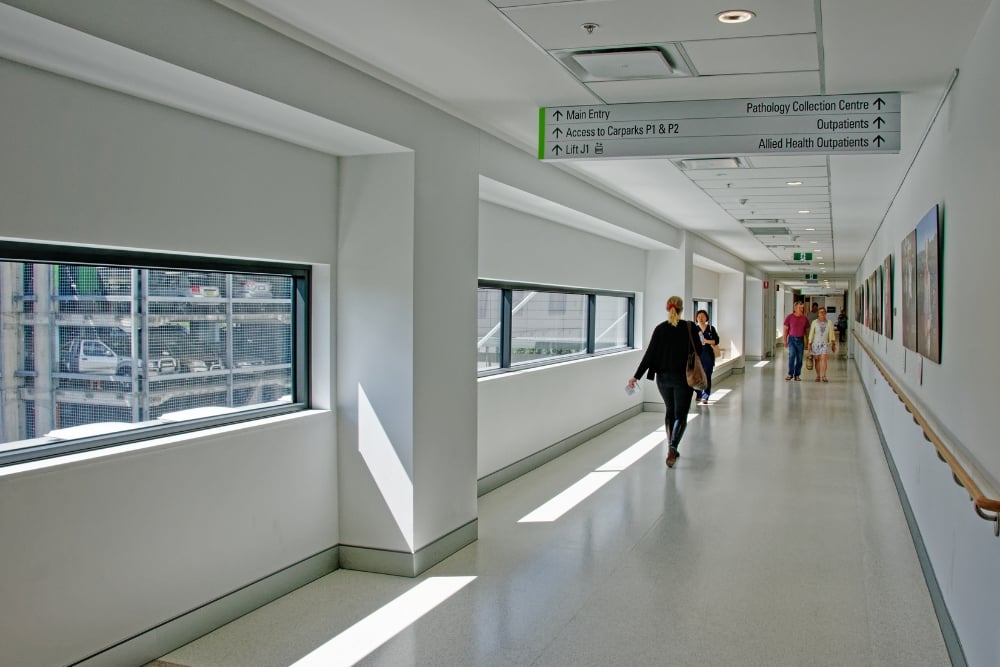
Hospitals never stop. Patients, clinicians and visitors move through the hospital grounds every hour, which means construction must fit around care. Here is a practical approach to equipment and logistics that gets work done with less noise, fewer fumes and a smaller footprint.
Choose low-impact equipment first
- Electric access: battery scissor lifts and compact booms for wards, plant rooms and atriums. Quiet operation and zero local emissions keep disruption to a minimum and air clear.
- Hybrid and electric support gear: battery lighting towers and hybrid generators for night shifts, with reduced fuel use and noise.
- Mobile scaffolding: quick to erect, easy to move between rooms or bays, ideal where floor loading is a constraint.
- Low-impact earthmoving: mini loaders and tracked transporters for tight corridors, courtyards and services trenches. Rubber tracks and compact dimensions minimise the impact on floors.
Plan deliveries like clinical logistics
Works should be planned and coordinated to keep the project moving around facility hours and healthcare services.
- Back-of-house routes: use service docks and lifts, not public entries.
- Quiet windows: schedule cutting, coring and heavy handling outside clinic or visiting hours.
- Staging areas: set up clean, clearly marked zones for equipment use, materials and waste to keep access corridors clear.
Control dust, noise and vibration
Maintaining a healthy environment for patients, staff and visitors and ensuring medical equipment and supplies are not affected is critical. We provide recommendations for the right site protection measures to protect amenities during works, including:
- Dust extraction and wet-cut tools where cutting or grinding is required.
- Soft start and variable-speed tools to limit vibration near sensitive equipment.
- Acoustic barriers and door seals at work areas next to operational healthcare areas.
- Air cleaners and classified vacuums to remove dust.
The safety and ability for people to move around the work area can be planned so that healthcare services can remain efficient. Temporary walls, bollards and screens isolate work areas and clear wayfinding signage and floor arrows direct people clearly around the site. Daily cleans of public use areas keep debris and water out of healthcare areas and avoid pedestrian hazards.
A simple workflow that works in hospitals
Our specialists have experience with planned healthcare facility works and can develop equipment logistics to support works around the live environment. Here’s how to make sure the right equipment is deployed at the right time for projects that need to work around the facility’s essential services.
- Scope and risk: walk access routes through the facility and note control requirements. Map sensitive rooms, equipment and quiet zones.
- Select low-impact gear: choose electric, hybrid and mobile scaffolding where the task allows. Confirm floor loading and access sizes.
- Method and schedule: build a shift plan that avoids peak patient times and includes testing and quiet checks after noisy tasks.
- Protect and isolate: set barriers, dust control and signage before any tools come out.
- Monitor and adapt: log noise and air quality if required and be ready to pause for clinical priority.
- Reinstate and leave clean: remove temporary works, return paths to service, and return all areas in a clean state.
How Kennards Hire helps
We have the latest electric and hybrid options across access, lighting and power, mobile scaffolding systems and compact earthmoving suited to tight or sensitive spaces. Our branch teams can work with you on site requirements to address access constraints, be flexible with delivery times and swap equipment quickly when conditions change. Speak to an expert on your next project and we can provide the solution, expertise and capability to keep your job moving.